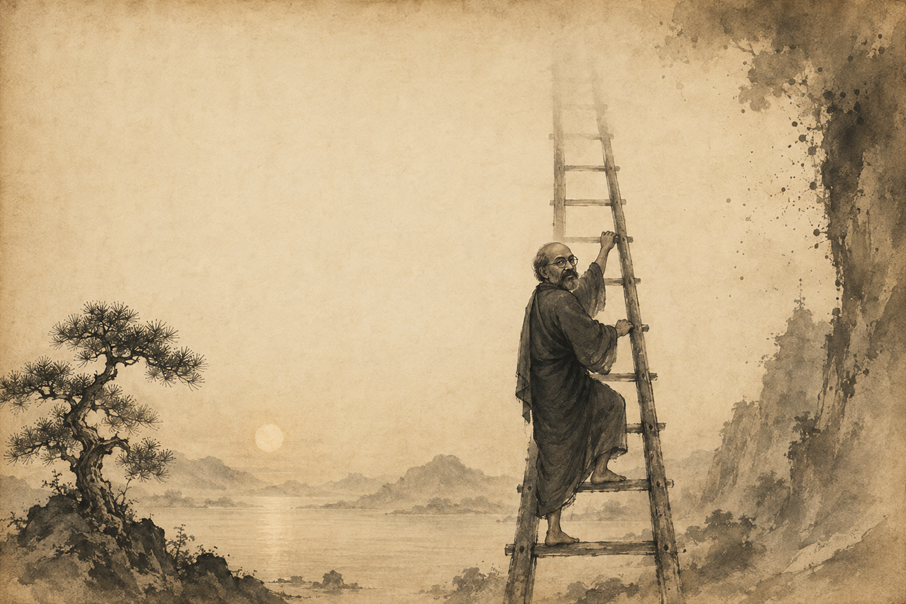
In my earlier posts, I have leaned on Wittgenstein’s ladder. This is the closing move of the Tractatus, where once you have climbed through the propositions you discard them, because they have “served their purpose”. I have used this language game often enough that I want to look at it more closely, because on the surface it can seem like a weakness. I am using language to point out the limits of language, and I never kick the ladder away. I keep climbing it again post after post. I want to make the case to the reader that this is not a contradiction I have failed to notice. It is a natural feature of the terrain, built into what it means to speak about limits at all.
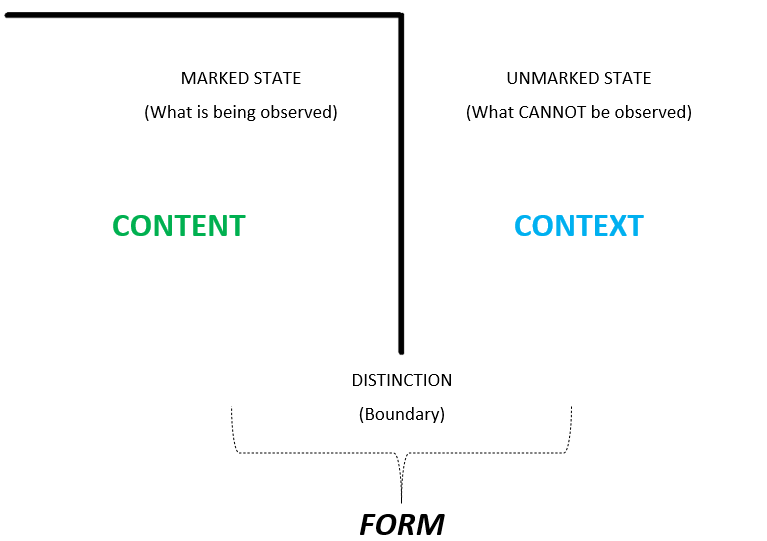
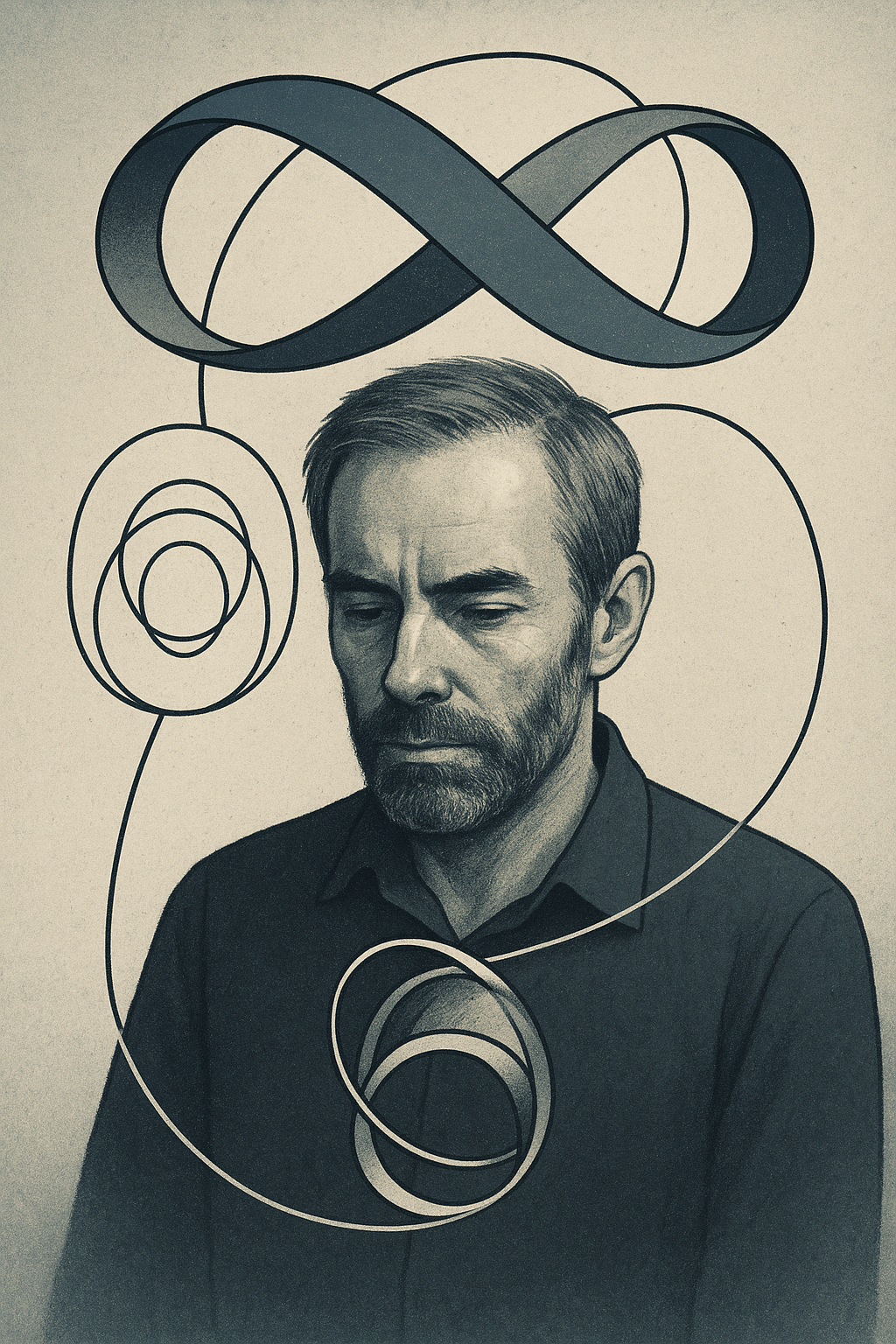
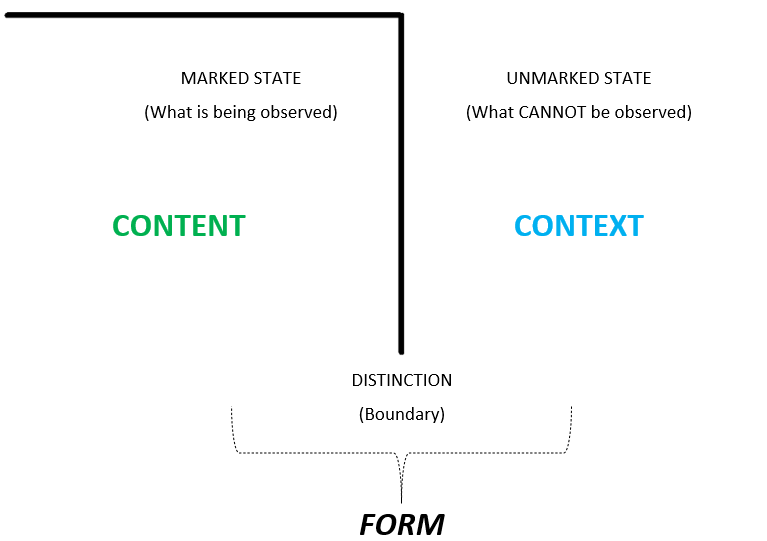
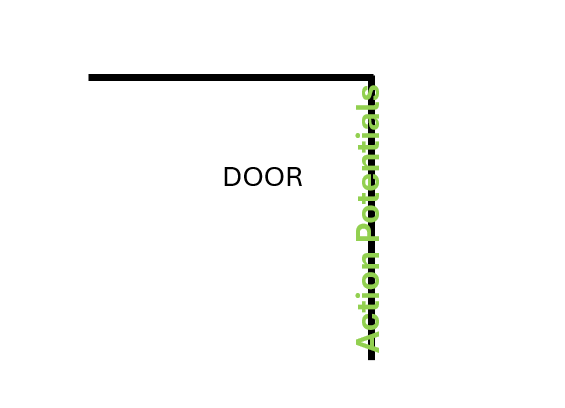
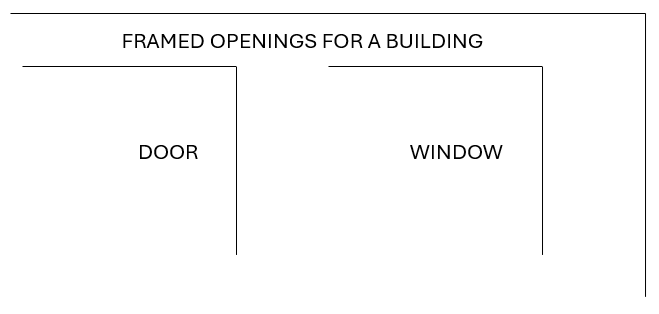
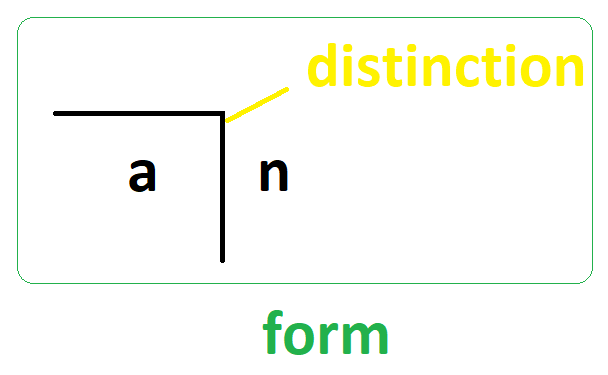
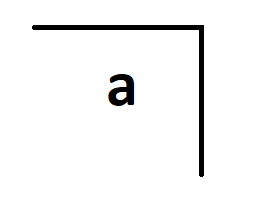
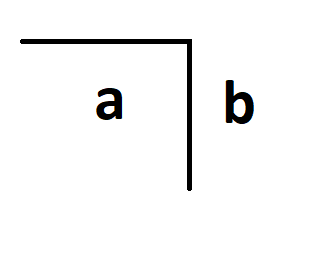
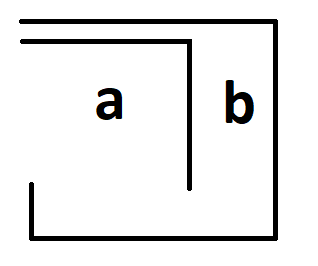
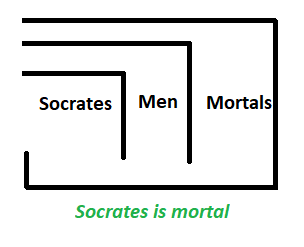
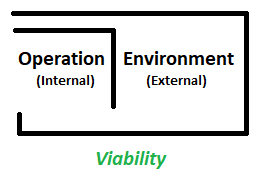
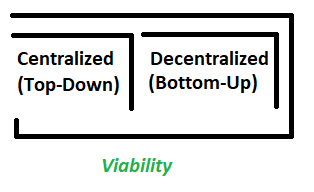
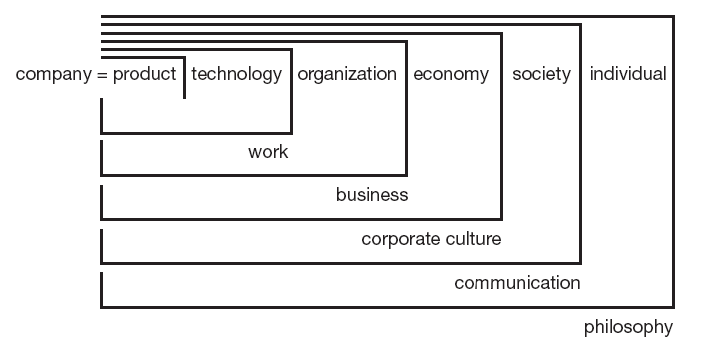
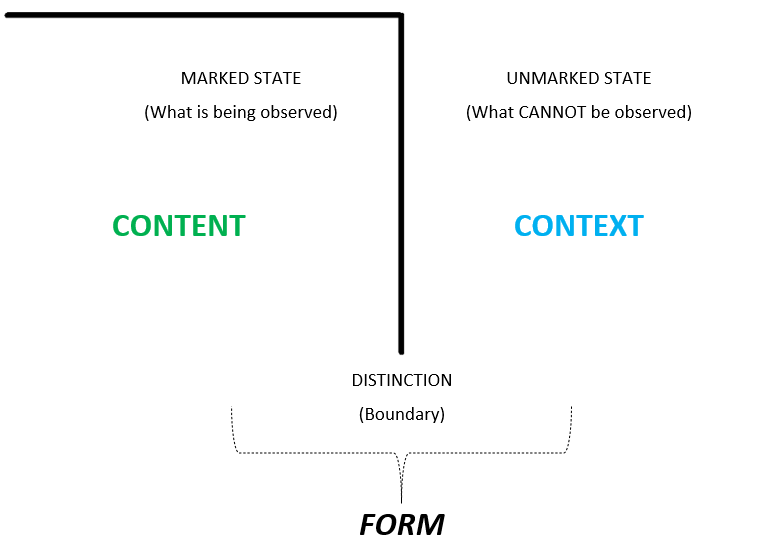
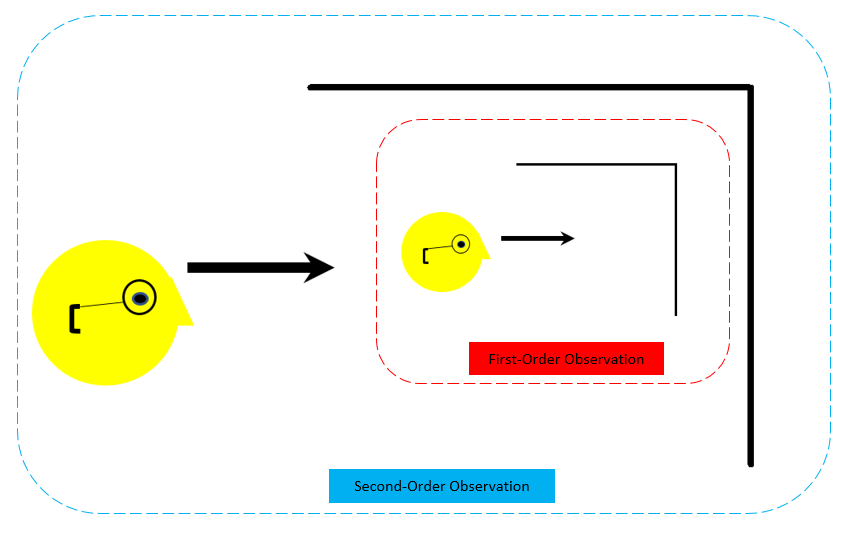
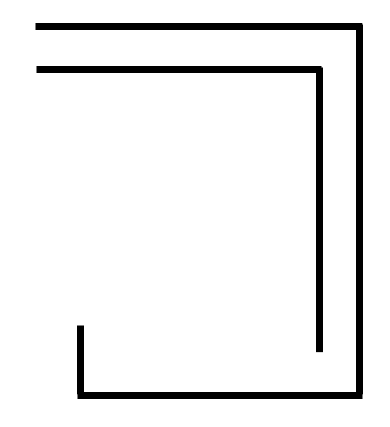
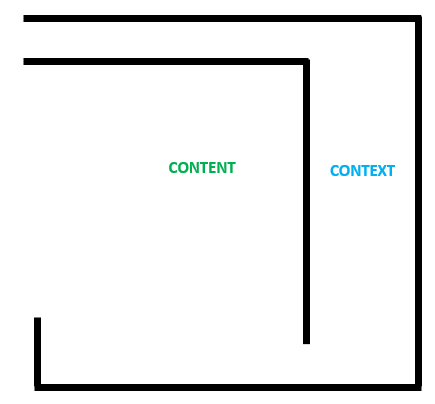
George Spencer-Brown has a notion he calls re-entry. I have written about this before. You draw a distinction, put a boundary around something, name it, place it in a box. For a while the box holds. Then you notice something the box cannot account for, something that belongs to the distinction itself and not to either side of it. To speak of it, you step outside the box and refer back into the space you just left. In ordinary logic this produces paradox, the thing both is and is not what you said it was. Spencer-Brown’s insight was that this is not a failure of the distinction. It is where a certain stability comes from, not a resting point on one side or the other, but the oscillation itself, the crossing back and forth. You need a reference point, but it is not fixed to either side. If you stand inside the box, the reference point is outside. If you stand outside, the reference point is inside. It is not within the box itself, nor outside of it, it is always the other side of wherever you happen to be standing.
It is the same trouble you find whenever you try to make sense of a situation instead of a distinction. Complexity itself cannot be put in a box, it is not a thing sitting out there waiting to be named. In a constructivist cybernetics, complexity depends on the observer as much as on what is observed. The trouble starts the moment we try to put a situation into words. Words are handles, as Spencer-Brown called them, and naming a situation is the act of trying to fit something that resists boxes into one anyway. Once named, you are still inside it, entangled, too close to see the “whole”. Step outside and you can draw the “whole” shape, but you lose the “texture” of what it feels like to act inside it. You start to lose your grip on it. There is a harder limit underneath this, the one Ashby pointed at with requisite variety. Even if we grant the observer a “perfect” outside view, they would not be able hold the “whole”. This is because the variety in any living situation exceeds what an observer can carry. Making sense of a situation asks for both sides, taken in turn, and refuses to let you settle into either.
For sensemaking, you lean on what has worked before, on the shape of past interactions, and take a cautious step. You do not need to know where you will end up, only the direction you want to move, and each new step tells you something the last one could not. So, when I say truth is provisional, I am naming the fact that “whole”/“perfect”, finished knowledge is not possible. For a cybernetician, this does not stop action. This becomes a pre-requisite as well as the effect. You learn by acting and you act by learning. Acting generates the feedback that lets you correct course. Von Foerster’s cybernetics turns on something like this, that seeing and acting are not separate stages but one loop, each teaching the other.
There is no finish line to this. Meaning is relational, it depends on a boundary and what sits across it. It cannot rest at a fixed point without ceasing to be meaning. What I write here is provisional and good enough for now. It is not finished and it will need to be taken up again. This is where a pluralistic stance comes from, not as courtesy toward other views but as a consequence of provisionality. If no depiction is final, no single depiction can claim the whole ground, and other depictions become necessary rather than merely tolerated. This is also where ethics enters. Once you accept your account is provisional and other accounts sit across your boundary, you are answerable to them in a way a closed, finished account never has to be.
Language is the tool I am using right now to describe a limit that supposedly sits outside its own reach. No word explains itself as many postmodern philosophers talk about. Open a dictionary and any definition is made of other words, each needing still other words, none of them closing the loop by pointing at something outside language entirely. A system built of terms defining other terms will always need to reach outside itself to mean anything, and reaching outside is the move that produces paradox.
Final Arc:
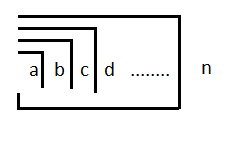
Language gives us a way to speak about a thing. It does not give us the thing, and it does not guarantee that speaking has produced understanding. This is another turn of the same paradox. Since I am using language, right now, to say where language’s authority runs out. I do not see a way to say this without doing it. We can use the ladder to talk about re-entry. A single rung means nothing on its own, it is only a rung because of the rung below it and the one above it, it has to point outside itself, to the rest of the ladder, in order to be what it is.
So, I do not think the answer to the ladder is to finally kick it away and stand on solid, wordless ground. I do not think that ground exists, or if it does, none of us can report back from it in anything but more words. The contradiction is not a mistake I keep making. It is the condition of trying to speak about the limits of speech at all, and every serious attempt to do so runs into the same wall.
Stay Curious and Always keep on learning…
If you liked what you have read, please consider my book “Second Order Cybernetics,” available in hard copy and e book formats. https://www.cyb3rsyn.com/products/soc-book