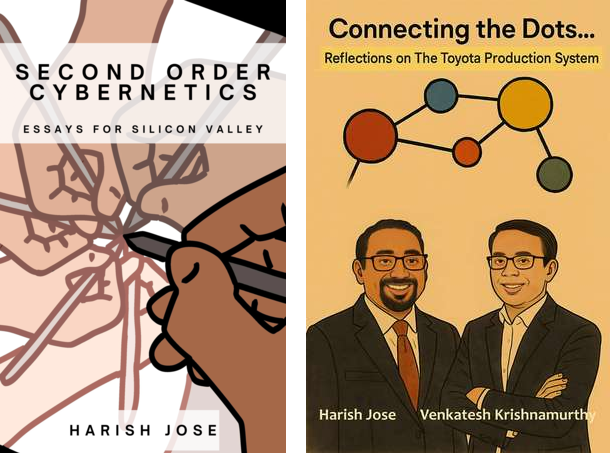
Bundle Deal for Second Order Cybernetics and Connecting the Dots…

I have been writing blog posts for over 15 years now. In 2025, I was fortunate to have two of my books published by Cyb3rSyn Labs (cyb3rsynlabs.com), a wonderful community founded by Laksh Raghavan. One of these books was coauthored with my good friend, Venkatesh Krishnamurthy.

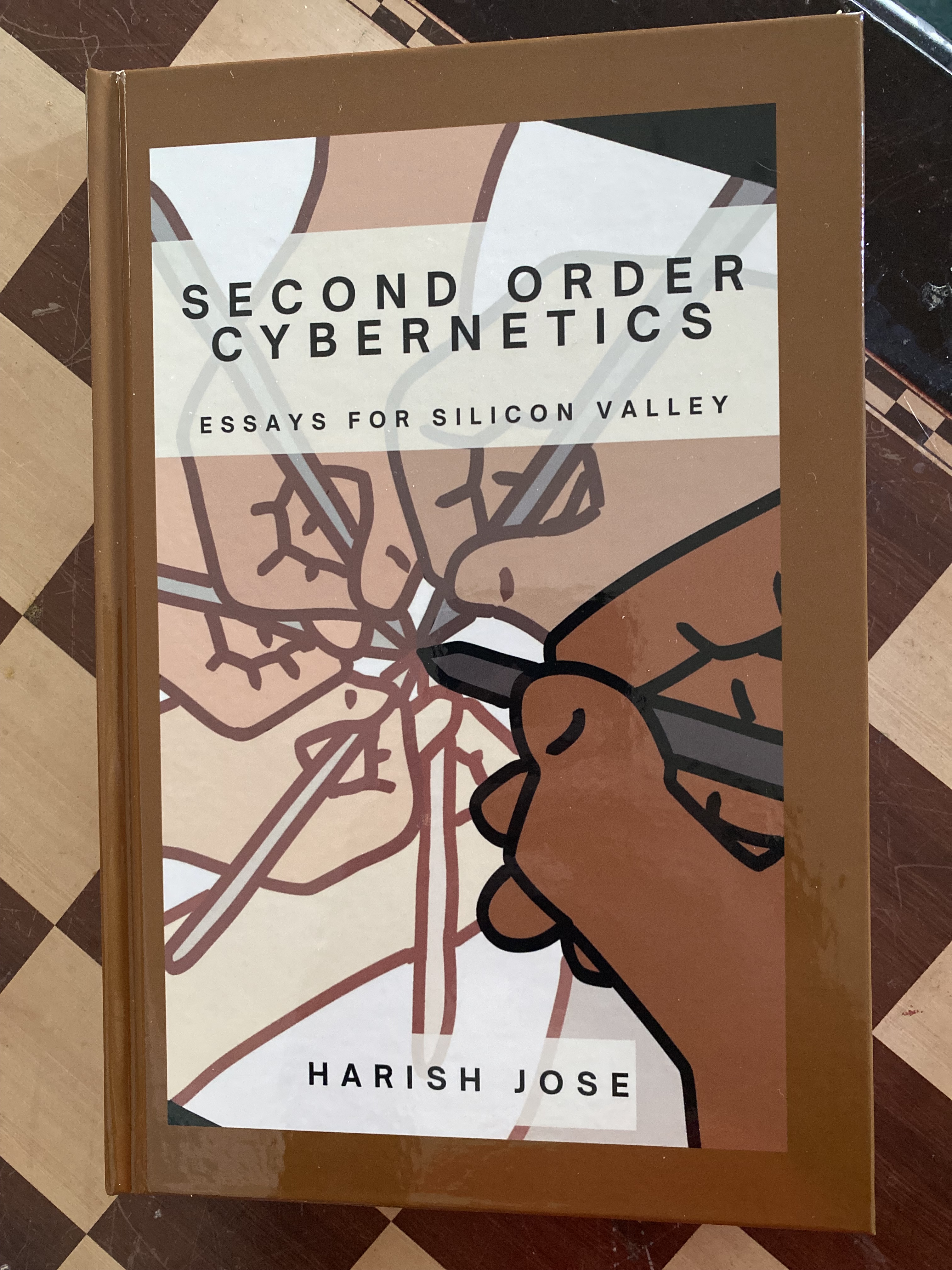
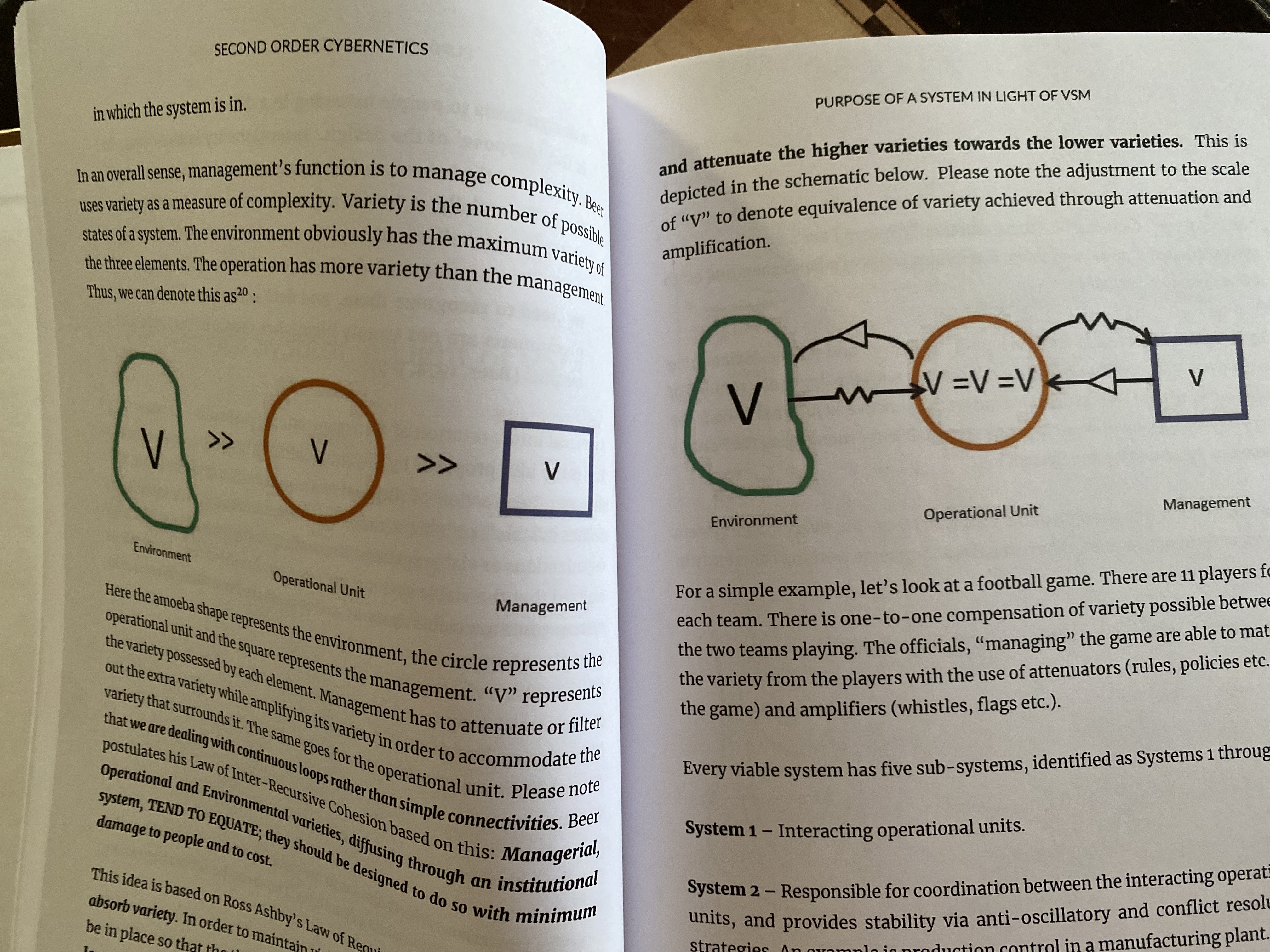
Second Order Cybernetics is an anthology that explores how observers shape the systems they observe. The role of the observer is often neglected, but it is a crucial part of sensemaking in general. This anthology tries to address that gap. Readers can explore thought-provoking ideas like understanding understanding, balancing autonomy and control, requisite variety, and viable systems. The essays cover key thinkers like Ross Ashby, Heinz von Foerster, Stafford Beer, and Humberto Maturana. The book was curated from my blog posts, and they are now exclusively available via this book. The posts have been removed from the blog.

Connecting the Dots… takes a different approach to the Toyota Production System. It looks beyond the familiar tools (kanban boards, value stream maps, standardized work) to explore the thinking that created them. The book examines how the principles that shaped TPS in post-war Japan remain powerful for navigating today’s challenges with automation, AI, and organizational change. It is my view that if you want to learn a subject at a deep level, you should try to find the common threads from different domains, and that gives you an additional insight that you would not otherwise have had. That was our inspiration behind the book. Bruce Hamilton, the Toast Kaizen teacher, was kind enough to write the foreword for this book.

Both books are available as a bundle on LeanPub: https://lnkd.in/dUZVxDHn

Purchased separately, they cost $39.98 total, but as a bundle you can get them for $29.99.

Hard copies are also available at Lulu: https://lnkd.in/dV9Fg-BA

I have heard it said that if you are writing, you should write as if you are writing for yourself. Write about things you would want to read. That is exactly what I have tried to do here. I hope you find insights that stay with you, insights that prove formative, and insights worth sharing with others.

Stay Curious and Keep on Learning…
Announcing “Second Order Cybernetics”: My First Published Book

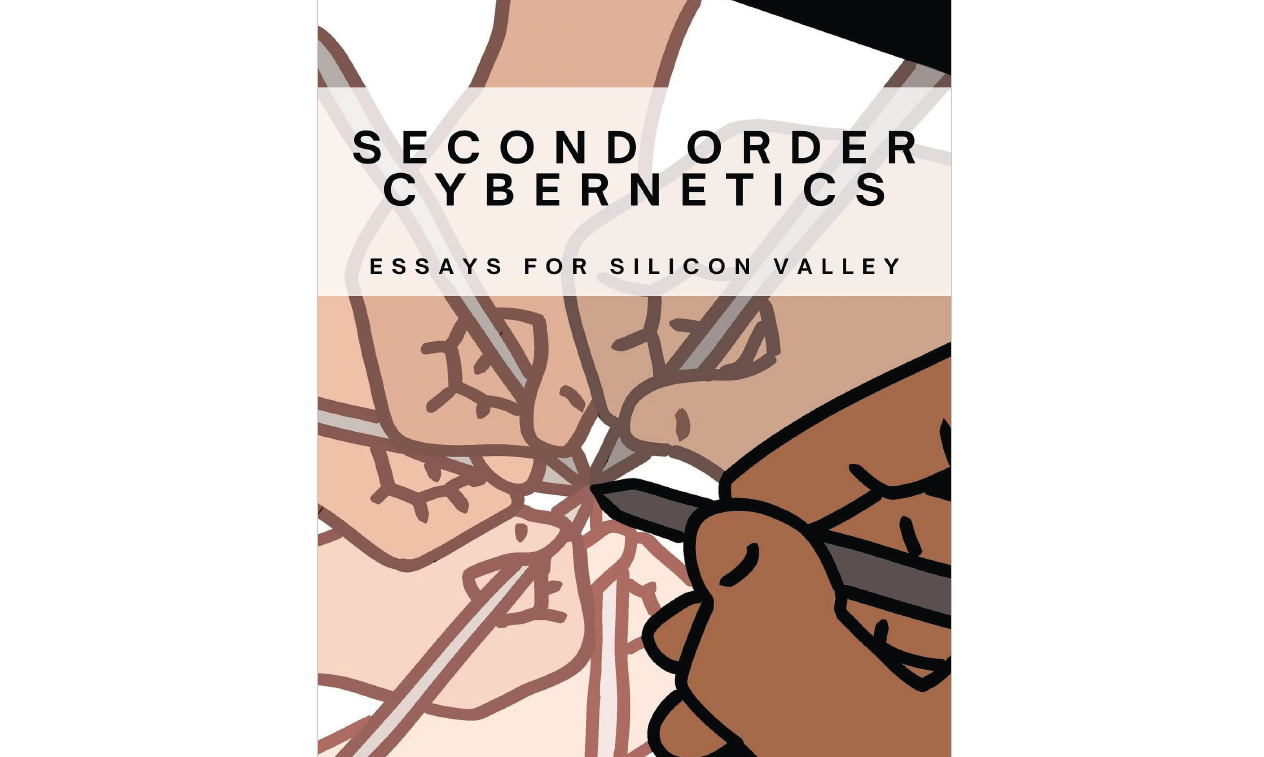
Last month, my first book was published. The book is a collection of essays that was written over the course of five years and covers ideas in second order cybernetics. The book is aptly titled – “Second Order Cybernetics”. The cover art is done by my lovely daughter, Audrey Jose. The book is published by Laksh Raghavan as part of Cyb3rSyn Labs Community offering. The hardcover of the book is available at this link. The hard cover copy is a beautifully typeset deluxe edition. I am thankful for my readers and Laksh for his trust in my ideas.

The venture by Laksh represents a great opportunity to mingle with people from different backgrounds to pursue cross-disciplinary learning in themes such as cybernetics, systems thinking, philosophy, and more. I am excited to be part of this intellectual community and ongoing dialogue.

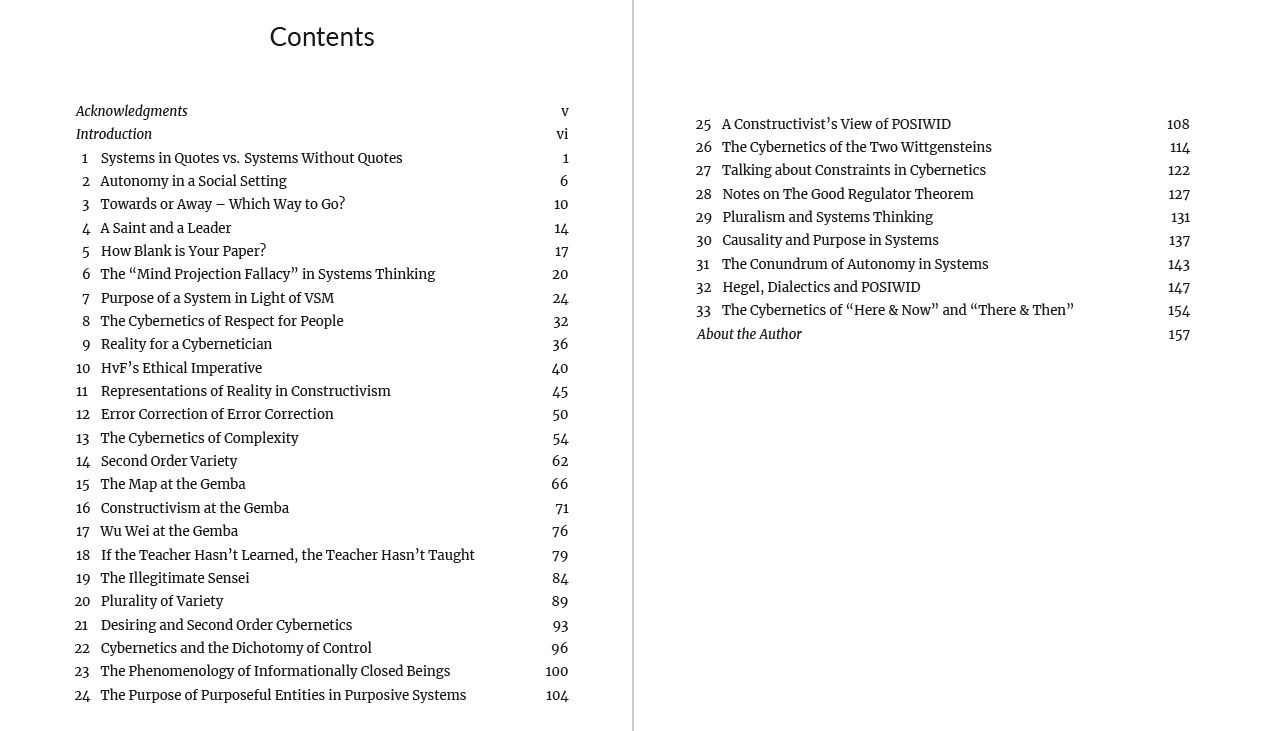
The table of contents of the book is given below:

The Recursive Mirror: Why I Write

I write to make sense of the world and my place in it. Moreover, I write to find myself. Writing gathers my scattered thoughts, helping me wrestle with ideas and shape them into something coherent. It is a way to lay out the pieces of a puzzle, to see where they fit and where they do not. By externalizing my thoughts through writing, I can spot flaws in my thinking, correct errors, and refine my understanding.

I understand that my ideas might be fallible. Writing is a form of error correction, a way to surface hidden assumptions and test them. The act of translating thoughts into words forces me to confront contradictions and gaps in my reasoning. However, error correction does not end with me. By putting my ideas out into the world, I invite others to scrutinize them, to challenge and refine my thinking in ways I might not achieve alone.

Concepts, unlike physical objects, do not reveal their mismatches as easily. You know when an oversized peg will not fit into a hole, but conceptual contradictions and paradoxes linger in cognitive blind spots. Writing becomes a tool to illuminate those hidden contradictions, to test ideas and see if they truly hold. Each iteration of thought, refined through reflection and external feedback, sharpens understanding.

I strive to be able to find differences among apparently similar things and similarities among apparently different things. Writing is my way of exploring those connections, of noticing patterns that might otherwise stay buried. Maturana spoke of “aesthetic seduction“, the idea that we should not seek to convince others but to attract them to our way of seeing. I write not to persuade, but to offer my thoughts as an invitation. As informationally closed entities, readers must convince themselves; my role is simply to present the ideas in their most compelling form.

Baltasar Gracián wrote, “The best skill at cards is knowing when to discard.” [1]Writing teaches me this skill, knowing which ideas to keep and which to let go of. It clears the mental clutter, revealing what truly matters. Error correction itself is recursive, an ongoing cycle of questioning, refining, and discarding what no longer serves understanding.

Ultimately, I write first for myself. It is a way to think, to question, and to grow. And by putting my words out into the world, I open the door for unexpected connections, corrections, and conversations. Writing, then, becomes not just a means of expression but an evolving dialogue; with myself, with others, and with the ever-changing nature of truth. I write so that I can keep learning.

References:

[1] The Art of Worldly Wisdom: A Pocket Oracle. – Baltasar Gracián